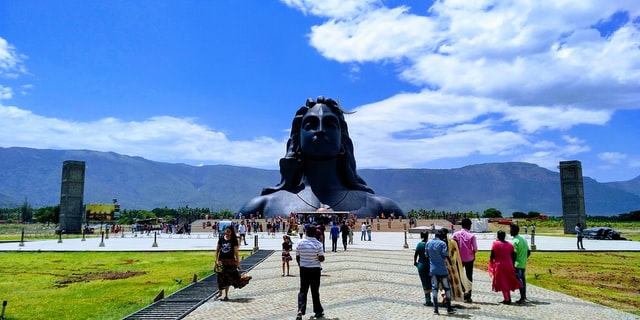
The city ranked as ‘India’s most liveable city’ several times has a population of about 7.5 million. Pune is known as the Oxford of the east and its several educational institutions attract a sizeable student population from other parts of the country and from other countries. It is the second largest city in Maharashtra and it has developed as the top automobile and manufacturing hub of India.

History:
The region was ruled by the Rashtrakuta dynasty in the 9th century. The region was annexed by the Mughals in the 17th century and changed hands between them and the Marathas several times. In 1720 Baji Rao I was appointed as the Peshwa of the region and his reign started the transformation of the area into the city of Pune. In 1817 Pune was captured by the British East India Company.
People:
Since Pune is a major industrial metropolis it has a lot of people migrating to it for work from different parts of the country. Marathi is the official and most spoken language. The city has become an amalgamation of different cultures and people. Most people here follow Hinduism and minority communities of Christians, Jews, Muslims, Jains, and Buddhists. 73% of its population is below the age of 50. Migration and the growth of industries have resulted in a younger population in the city.
Culture:
Pune exemplifies the Marathi culture and gives prominence to art, literature, music, education, and theatre. The Ganesh Chaturthi festival, which celebrated in several parts of India was started here back in 1894 by Bal Gangadhar Tilak. Sawai Gandharva Music Festival is organized here during the month of December every year. Pune houses Blades of glory, which is the largest cricket museum in the world. The concept of Diwali Pahat originated in Pune as a musical festival on the morning of Diwali.
Economy:
Pune is the fifth largest metropolitan economy in the country. The key sectors of the local economy are manufacturing, education, and information technology. The graduate workforce has triggered an IT revolution in the city making it the second-biggest software hub in the country. Several automobile and ancillary companies have set up manufacturing plants in the city. Two industrial estates have been set up in the immediate vicinity of the city. Large scale infrastructure upgrades have made Pune a preferred location of foreign direct investment.
Mental health:
- According to data provided by the Central Government’s Health Management Information System (HMIS), nearly 5.44 lakh patients in Maharashtra have been diagnosed with mental health problems in one and half years.
- A city-based psychiatrist says that she see 30-40 patients every month who suffer from depression.
- India’s largest hospital for psychiatric treatment, the government-run regional mental hospital is located in Pune but it faces an acute staff shortage. The hospital houses 1260 patients and has only 2 psychiatrists as of 2019.
- A countrywide 2015-16 study by NIMHANS revealed that nearly 150 million Indians needed active intervention while fewer than 30 million were getting it.
TalkItOver offers professional counseling services in the city of Chennai and in other major Indian cities.